Pregnancy Loss and Grief
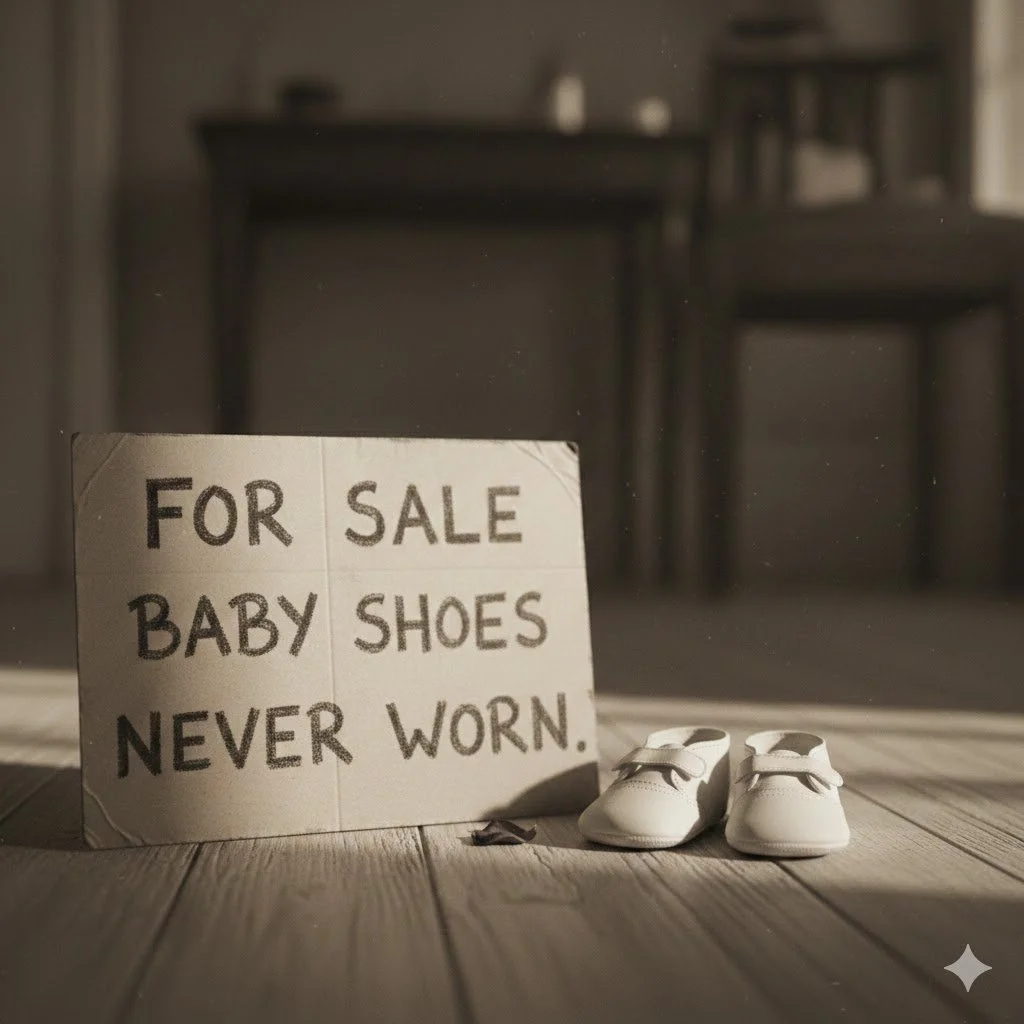
There is an urban legend about Ernest Hemingway betting his fellow writers that Hemingway could craft a full story in six words. After the bet was accepted, Hemingway wrote, “For Sale, Baby Shoes, Never Worn.”
Regardless of the story’s origins, I think it captures the deep grief that arises from pregnancy loss (the clinical terms are “reproductive grief” or “reproductive trauma” which includes not only pregnancy loss but also the grief arising from infertility).
As a grief therapist, I have supported individuals through the depths of grief following death and loss. One area that consistently demands more recognition and understanding is grief following pregnancy loss. Whether it's an early miscarriage, a stillbirth, or the heartbreaking conclusion of infertility, the pain is profound, yet often profoundly minimized by society. This minimization of pregnancy loss and reproductive trauma results in disenfranchised grief.
Disenfranchised grief refers to any loss that is not openly acknowledged, publicly mourned, or socially supported. Pregnancy loss fits this definition tragically well. There's often no funeral, no official mourning period, and sometimes, even the language to articulate the enormity of the loss feels inadequate. A parent's arms ache for a child they never held, a future they envisioned, and dreams that were shattered in an instant. Yet, they might be met with well-meaning but hurtful phrases like, "At least you can try again," or "It wasn't a real baby yet." These words, though perhaps intended to comfort, only serve to invalidate the very real bond that was formed and the deep grief that remains.
The impact of this disenfranchisement can be devastating. Individuals experiencing pregnancy loss may feel isolated, ashamed, and as if their grief is somehow "wrong" or unwarranted. They might struggle to process their emotions, feeling compelled to "get over it" quickly and silently. This lack of external validation can lead to anxiety, depression, and PTSD.
Our society has a collective responsibility to change this narrative. We must create spaces where this grief is seen, heard, and honored.
If you are experiencing pregnancy loss, please know that your grief is valid. It is real. You have every right to mourn the loss of your child and the future you envisioned. Seek out support – whether it's a therapist specializing in reproductive loss, a support group, or trusted friends and family who can simply listen without judgment.
And for those supporting someone through pregnancy loss, remember the power of presence and validation. Instead of trying to "fix" their pain, it is important to acknowledge someone’s grief and loss. Allow the person who is grieving the space and time to grieve in their own way, for as long as they need. By doing so, we begin to chip away at the disenfranchisement, allowing people to cope with their grief and learn to integrate the grief into their lives.
Grief is not something you have to figure out on your own. If you're in the thick of it right now — exhausted, overwhelmed, or just unsure what you're even feeling — I'd be honored to sit with you in it. Reach out for a free 15-minute consultation. Let's talk.