The Toll of Dementia Caregiving
The majority (80%) of people with dementia are receiving care in their homes. To put this in perspective, 16 million Americans provide more than 17 billion hours of unpaid care for their loved ones. It is notable that dementia caregivers provide care for a longer duration than caregivers of people with other types of conditions.
Caregiving takes its toll and this is especially true for dementia caregivers. Dementia caregivers report higher levels of stress, more depression and anxiety symptoms, and lower levels of subjective well-being, self-efficacy, and anxiety. Further, caregivers experience worse physical health outcomes, including higher levels of stress hormones, compromised immune response, antibodies, greater medication use, and greater cognitive decline.
So what can we do?
There are protective factors for stress and depression: Larger social networks, frequent social contact, and the ability to arrange for assistance from friends are moderators of depressive symptoms and caregiver burden. Respite care is especially important. Research shows that even a few hours of respite a week can improve a caregiver’s well-being. Respite care can take the form of different types of services in the home, adult day care, or even short-term nursing home care so caregivers have a break or even go on vacation.
It is critical that caregivers make their needs known. For example, identify a caregiving task or a block of time that you would like help with. Perhaps there’s a book club meeting you’d like to attend or some time alone to read a book. Be ready when someone says, “What can I do to help?” with a specific time or task, such as, “It would be really helpful for me if you could stay with mom on Tuesday night so I can go to my book club for 2 hours.”
Be understanding if you are turned down. The person may not be able to help with that specific request, but they may be able to help another time. Don’t be afraid to ask again. If you have trouble asking for help face to face, try writing an e-mail to your friends and family members about your needs. Set up a shared online calendar or scheduling tool where people can sign up to provide you with regular respite.
Need more suggestions or resources? Boulder County offers support for caregivers through its AAA Caregiver Initiative. Alzheimers.gov provides helpful tips for dementia caregivers.

Can an Adult be an Orphan?
In the often cringe-worthy but hilarious show, Curb Your Enthusiasm, the lead character Larry David challenges his friend Marty Funkhouser’s statement that, with the death of his mother, he is now an orphan. "An orphan? You're a little too old to be an orphan."
I suspect that Larry’s reaction is not uncommon. Indeed, since it is expected that adult children will survive their parents, there is often the belief that when an elderly parent dies, “it’s no big deal - just part of life.” Unfortunately, the failure to recognize the impact of a parent’s death, regardless of the age of the child, can lead to disenfranchised grief, i.e., grief that is not openly acknowledged, socially supported, or publicly mourned.
This is tragic because, regardless of your relationship with your parent, their death can trigger strong emotions: sadness, relief, anger, guilt, regret. Further, there is a finality when both parents die that can shake our world. One client phrased it especially well: “When one parent dies, it’s a semi-colon. When the second parent dies, it is a period.”
The death of our parents can bring families closer to together and move them farther apart. Many times our parents are the “glue” that keeps a family together and, with their death, old wounds become raw again.
We also can experience a loss of identity and find new roles emerge. We may feel that we are no longer someone’s child. We may grieve the fact that we will have unanswered questions about our parents’ lives and history, or feel unable to resolve longstanding challenges.
As with all grief journeys, it is important to remember you have the right to express and experience your grief in your own way, including the right to express and explore your feelings. It may be helpful to note when you engage in rumination about what we “should have” done differently and accept that we did our best in the moment. And always remember there is no expiration date on our grief.

Children and Funerals
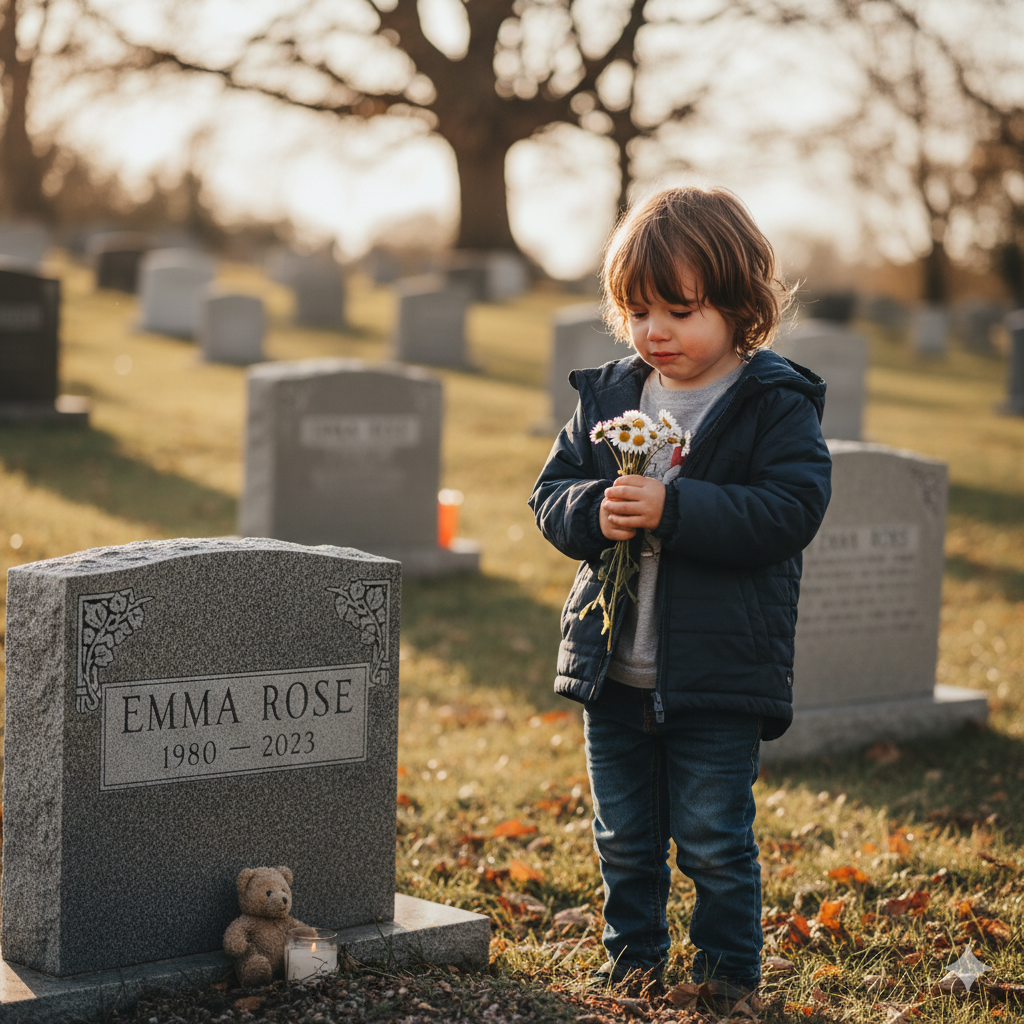
I am often asked by parents whether their children should attend a loved one’s funeral. Parents may be concerned the child will become overwhelmed or “too sad” if they attend. And, of course, there is the societal discomfort with grief and mourning generally that can color our views. It is important to note that children often feel excluded when they are not permitted to attend a funeral and may feel confused or resentful at the exclusion. Further, funerals serve an important role in the grieving process and allowing a child to attend may support their healthy grieving journey.
Having said all of this, there is no hard and fast rule – child participation should be guided by your child’s personal choices and your understanding of their needs, coping skills, and maturity. When deciding whether a child should attend, start with a conversation with your child. Share some basic details about what they may expect at the funeral (e.g., open casket, rituals, graveside internment). Discuss how people may react, including you and other loved ones. It is important to help your child understand that if someone is sad, quiet, or crying, they are showing their sadness and they are still okay. If it is appropriate for their age and maturity, allow your child to choose what parts they want to attend or skip. And, as always, avoid euphemisms (e.g., “passed away,” “resting in peace”) when discussing death – euphemisms tend to be confusing for children especially for those who are still grappling with ideas surrounding object permanence and the finality of death.
Here are two links for more thorough discussions regarding children and funerals that you may find helpful:
https://www.psychologytoday.com/us/blog/good-mourning/201805/should-children-attend-funerals
https://riseandshine.childrensnational.org/preparing-your-child-for-a-funeral/
.
The Challenge of the Uncomfortable Friend/Family Member
We live in a death adverse society. Most people die in hospitals or facilities away from the home and the community. We treat death as a taboo subject preferring silence or euphemisms such as “passed away” to avoid the stark language of “death” and “dying.” Often people who are grieving feel pressure to “move on” or “get over” their grief.
One of the tragic consequences is that you may feel isolated following the death of a loved one because your friends and family seem to disappear. There are several reasons for this. They may be uncomfortable with their or your emotions. They may find it difficult to be around you especially when you share emotions such as sadness, anger, and guilt. Often people will avoid the subject of death because they worry about upsetting you. Others feel the need to be a “fixer” and and say things like: “Everything happens for a reason” (they don’t), “try to be positive” (i.e., don’t feel or show emotions that make me feel uncomfortable), “it’s time to move on” (I’m uncomfortable with your grief).
For those of us grieving, it falls to us to educate friends and family members about our grief journey. Some of the things we can do include: (1) Letting people know how they can help (be specific); (2) assuring people that it’s okay to talk about your loss and to ask how you’re feeling (if it is); (3) saying when you want company and when you want to be alone; and (4) telling people know there’s no expiration date on grief.

Grief - When Will I Feel Better?
It all begins with an idea.
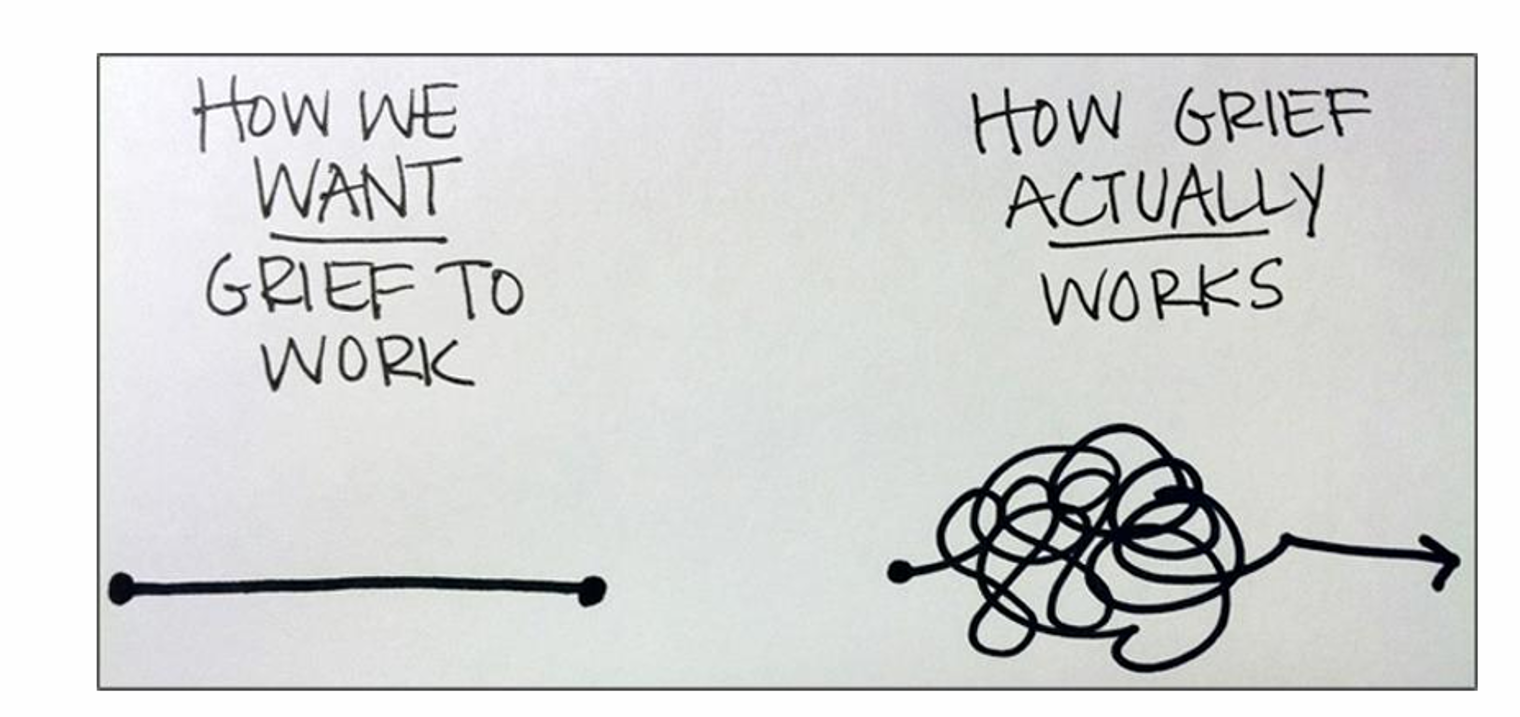
When we’re in the depths of grief, we can feel overwhelmed, unsteady, and rocked by deep emotion. It’s therefore understandable that one of the most common questions I get as a grief therapist is, “when will I feel better?” The answer can be unsatisfying because grief is not linear and there are no stages of grief (contrary to outdated “stages” espoused by Dr. Kubler-Ross). Rather, we each have a unique grief journey and while we ultimately learn to incorporate death and loss into a meaningful life, our grief never ends because our connection with our loved ones never ends. Having said all of this, people will feel “better” over time as they discover a balance between grieving their loss and living a fulfilling life.
The Importance of Continuing Bonds
It all begins with an idea.
The Continuing Bonds Theory tells us that staying connected with a loved one after death can be a healthy way to grieve. The most common experiences reflecting continuing bonds include: (1) dreams about our loved one; (2) feeling the presence of tour loved one; (3) experiencing profound coincidences; and (4) talking about or to our loved one. There are a number of ways we can connect with our loved ones including rituals and memorials, engaging in spiritual or religious beliefs, and through the use of physical objects that remind us of our loved.
