The Digital Afterlife: Grieving in the Age of AI and Social Media
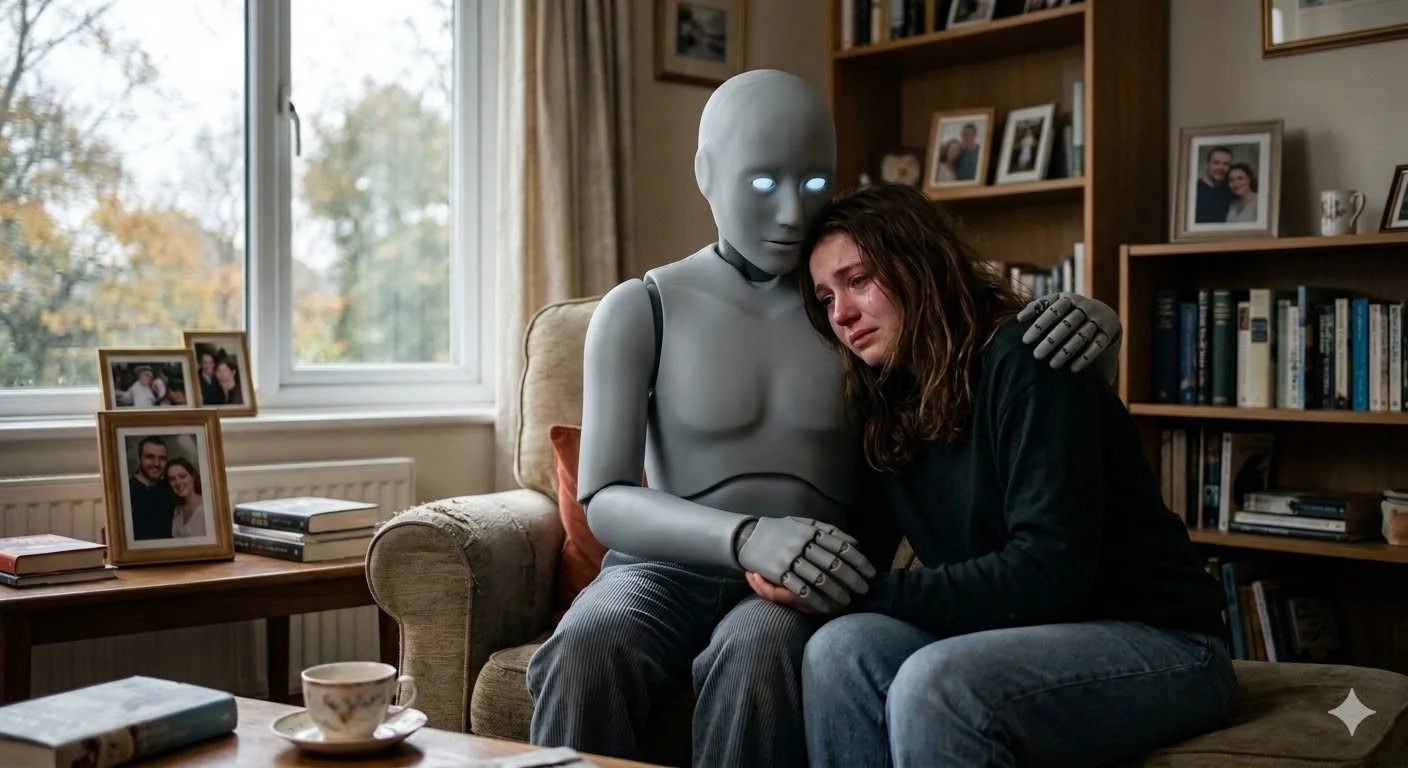
AI trained on a dead person's texts can now hold a conversation in their voice. For some it feels like a lifeline. Clinically, it carries real risk and this post looks at where continuing bonds end and a more troubling form of denial begins.
In the past, the "stuff" of grief was tangible: a handwritten letter, a worn-out sweater, a photo album. Today, most of what we leave behind is a "digital shadow”: years of texts, voice notes, and social media footprints. This shift has changed the architecture of mourning, creating a world where the dead can remain surprisingly vocal.
As we navigate this landscape, we should ask: Does this digital continuity help us integrate our grief, or does it keep us tethered to a ghost?
The Rise of the "Griefbot"
The most provocative development in the AI space is the "griefbot"—AI trained on a deceased person’s digital footprint (texts, social media posts, recorded conversations, etc.) to simulate a conversation with the deceased. For some, it feels like a lifeline; a way to ask one last question or hear a familiar cadence.
However, from a clinical perspective, these "digital resurrections" carry significant risks. Grief is the process of coming to terms with the finality of loss. Interacting with a simulacrum can sometimes blur the boundaries of reality, potentially leading to emotional dependency or becoming “stuck” and unable to integrate our grief into a meaningful life. Stated another way, a griefbot has the potential to become a pernicious form of denial that ultimately inhibits healthy grieving.
This is not to say imagined conversations with a deceased love one are per se unhealthy. To the contrary, such conversations are often a form of healthy continuing bonds with their loved one. It is also important to note there are evidence-based therapies, such as Imaginal Conversations used in Prolonged Grief Disorder Therapy, where a grieving person engages in a conversation with their deceased loved one within a safe, therapeutic environment.
The "Algorithm of Loss"
Even if we stay away from AI, social media itself acts as a persistent reminder. A "On This Day" notification can feel like a gift or a gut-punch, depending on the morning.
The Public Nature of Grief: Mourning has moved from the private living room to the public feed. This can create a sense of community, but it also leads to "grief policing," where people feel judged for how or how much they post about their loss.
The Digital Haunting: Seeing a "Suggested Friend" who has died is a uniquely modern phenomenon. It’s a reminder that while the person is gone, their digital data is still moving through the world.
Practical Steps for Your Digital Legacy
Because our digital lives are so intertwined with our emotional ones, "digital estate planning" is now a vital part of end-of-life care. Taking control now can save your loved ones from a "second loss"—the pain of being locked out of memories or seeing an account handled in a way you wouldn't have wanted.
Assign a Legacy Contact: Platforms like Facebook and Google allow you to name someone who can manage your account or download your data after you die.
The "Social Media Will": Document your wishes. Do you want your profiles memorialized (frozen in time for friends to visit) or deleted entirely?
Data Sovereignty: Consider who owns your "voice" and your "likeness" after you’re gone. Discuss with your family your feelings on AI recreations.
Finding a Digital Middle Ground
Technology should serve your grief, not the other way around. If a "memory" notification feels like a beautiful visit, cherish it. If it feels like an intrusion that resets your grief journey, give yourself permission to "Press Pause" or deactivate the accounts.
The goal is not to erase the digital footprints of those we love, but to ensure they don't become a barrier that keeps us from living in the present.
If what you've read here resonates, you don't have to keep navigating this alone. I offer a free 15-minute consultation so we can talk about what you're carrying and whether grief therapy might help. There's no pressure and no commitment — just a conversation. Schedule here.
The Fresh Start Fallacy: How New Year’s Resolutions Adversely Affect our Mental Health
The new year arrives with a temporary high and a set of goals designed to fail. When January's reality meets an unrealistic timeline, most people read the setback as a character flaw rather than a logistical one and a cycle of self-criticism begins.
It seems inevitable that, as New Year’s approaches, we often contemplate resolutions designed to somehow improve our lives.While the cultural narrative frames these goals as a pursuit of excellence, clinical research indicates that traditional resolution-setting often functions as a catalyst for diminished self-efficacy and heightened anxiety.
This phenomenon is largely driven by the "False Hope Syndrome." Individuals frequently set goals that are unrealistic in their scope or timeline, fueled by the temporary "high" of a new calendar year. When the inherent difficulty of behavior change meets the reality of January’s environmental stressors—such as post-holiday depletion and limited daylight—the resulting inability to meet our goals is often internalized. Rather than viewing a setback as a logistical hurdle, many people interpret the setback as a fundamental character flaw, reinforcing a "failure identity."
Further, resolutions tend to promote dichotomous (all-or-nothing) thinking. This cognitive distortion creates a rigid framework where a single lapse signifies a total collapse of the objective. This rigidity doesn't just halt progress; it triggers a cycle of shame and self-criticism that can exacerbate symptoms of depression and social withdrawal. When goals are born from "introjected regulation"—the feeling that one should change to avoid guilt—rather than intrinsic desire, the psychological burden becomes unsustainable.
To safeguard mental health, we must shift the clinical focus from radical transformation to incremental, sustainable intentions. By prioritizing psychological flexibility over rigid benchmarks, individuals can foster genuine growth without the collateral damage of self-loathing. As we move through the first quarter of the year, the goal should be to treat ourselves with the same clinical compassion we would offer a friend, replacing high-pressure mandates with manageable, value-aligned actions.

Children and Funerals
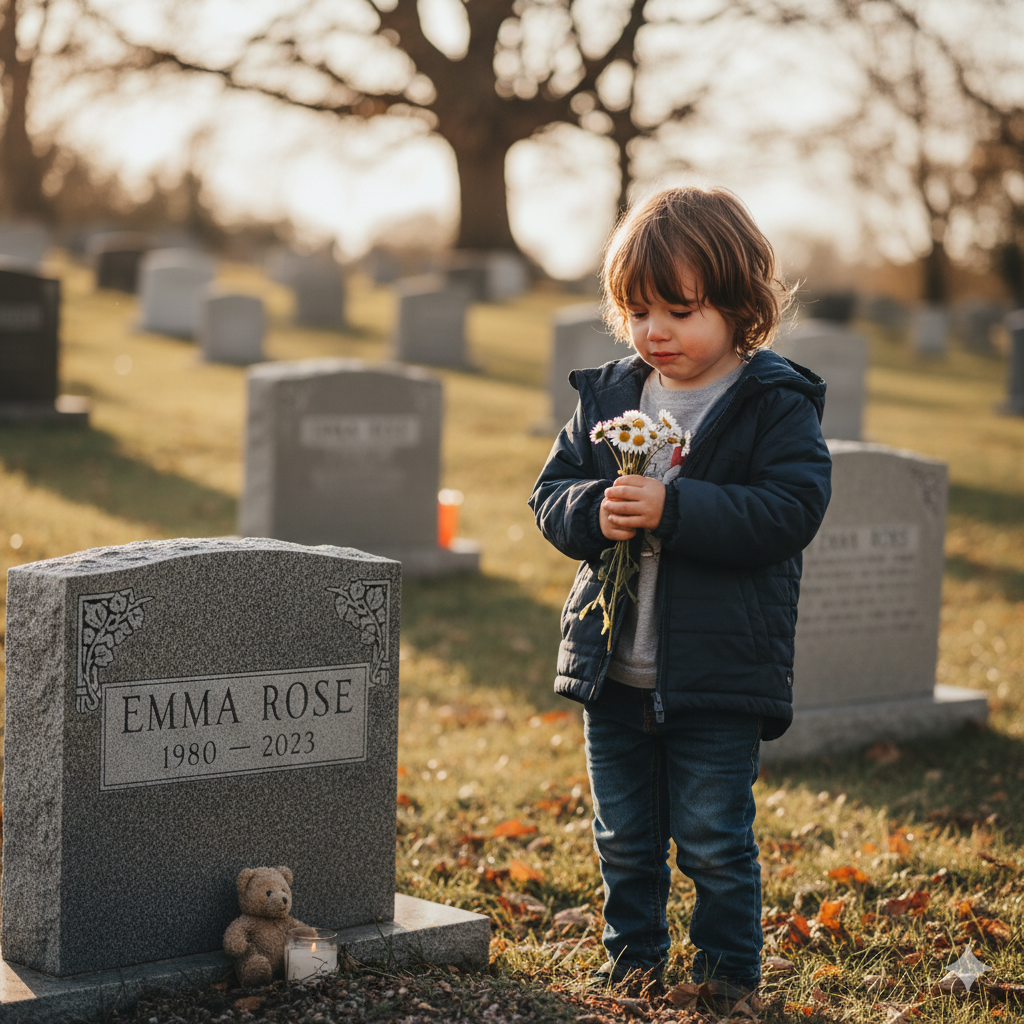
Parents often worry that a funeral will be too much for a child. What frequently happens instead is that children who are excluded feel confused and resentful. There is no universal rule, but there is a good way to make the decision together.
I am often asked by parents whether their children should attend a loved one’s funeral. Parents may be concerned the child will become overwhelmed or “too sad” if they attend. And, of course, there is the societal discomfort with grief and mourning generally that can color our views. It is important to note that children often feel excluded when they are not permitted to attend a funeral and may feel confused or resentful at the exclusion. Further, funerals serve an important role in the grieving process and allowing a child to attend may support their healthy grieving journey.
Having said all of this, there is no hard and fast rule – child participation should be guided by your child’s personal choices and your understanding of their needs, coping skills, and maturity. When deciding whether a child should attend, start with a conversation with your child. Share some basic details about what they may expect at the funeral (e.g., open casket, rituals, graveside internment). Discuss how people may react, including you and other loved ones. It is important to help your child understand that if someone is sad, quiet, or crying, they are showing their sadness and they are still okay. If it is appropriate for their age and maturity, allow your child to choose what parts they want to attend or skip. And, as always, avoid euphemisms (e.g., “passed away,” “resting in peace”) when discussing death – euphemisms tend to be confusing for children especially for those who are still grappling with ideas surrounding object permanence and the finality of death.
Here are two links for more thorough discussions regarding children and funerals that you may find helpful:
https://www.psychologytoday.com/us/blog/good-mourning/201805/should-children-attend-funerals
https://riseandshine.childrensnational.org/preparing-your-child-for-a-funeral/
.